
Does the quality of turmeric matter?

Updated: Oct 23, 2025
Discover the difference between fresh and powdered turmeric, and whether organic quality really makes a difference

So far in this blog series, we have learnt what turmeric is, its health benefits and how to easily add it into your daily diet. However, there is one key question many people forget to ask—does the quality of turmeric matter?
Questions this blog series will answer include:
Does the quality of turmeric matter?
Yes, the quality of turmeric that you purchase really matters. The main active compound, curcumin, gives turmeric its anti-inflammatory and antioxidant effects, but it loses potency over time, especially when exposed to air, heat or light.
Powdered turmeric versus fresh turmeric
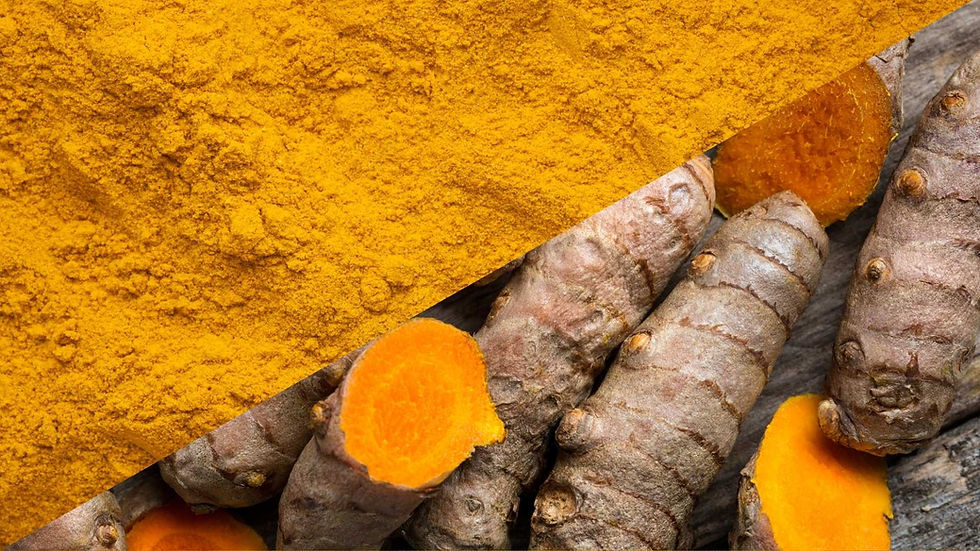
Powdered turmeric: convenient but it can sit on shelves for months before you buy it. The longer it sits on your shelf (especially if it is not stored in dark, glass packaging) the fewer nutrients it contains. You can overcome this by using more turmeric in your recipe; however, it can have more of a powdery texture.
Fresh turmeric root: has a brighter flavour and may retain more active compounds, though it’s messier and spoils faster.
Using a mix of both powdered and fresh turmeric offers the best solution. Use fresh turmeric for teas or smoothies and opt for powder in everyday cooking.
Should you choose organic turmeric?
Organic turmeric is often worth it if you use it regularly, as it is better quality and more traceable. Some studies suggest that organic turmeric can sometimes have a higher concentration of curcumin, the compound responsible for turmeric’s anti-inflammatory and antioxidant effects. While not guaranteed, better soil quality and natural farming practices can improve nutrient density.
Organic turmeric can have a richer aroma and deeper colour, thanks to minimal processing and natural cultivation methods. This can enhance the flavour and appearance of your dishes, especially when using fresh or minimally processed powder.
Non-organic turmeric has the potential of being contaminated with heavy metals or chemical additives, especially in cheaply sourced powders. Certified organic turmeric is more strictly regulated and tested for purity, helping ensure it’s safe for consumption.
How to store turmeric
Curcumin found in turmeric is sensitive to light and air. To keep more of its nutrients, buy smaller amounts of turmeric powder and store it in an airtight container in a cool, dark cupboard. Fresh turmeric root keeps best in the fridge or freezer.
A little care in what you buy and how you store your turmeric means you’ll get the best from this golden spice.
In the next blog post within this series, we are going to look at ‘When and how to supplement turmeric or curcumin’.


Comments