
Is it safe to drink tap water in the UK?

Updated: Sep 23, 2025
'More people are starting to question whether legal limits go far enough, when it comes to water safety'

I’ve travelled overseas quite a bit over the years and always felt a sense of relief to get home and know I can turn on my tap for a glass of clean, safe water. But, like many, I have questioned this. UK water is regularly tested and must meet strict safety standards. But while tap water is officially “safe,” this can be a bit like “normal” — it covers a multitude of sins. Safe means it won’t make you acutely ill, but does that mean it supports optimal long-term health?
Questions this blog post will answer includes:
Where does our tap water come from?
What might be in our tap water?
Why should I filter my water?
Where Does Our Water Come From?

Most tap water in the UK comes from surface sources like rivers, lakes, and reservoirs, or from underground aquifers (a natural layer of rock or soil that stores water deep below the ground, which can be pumped up for use as a clean water source). Before it reaches our homes, this water goes to a treatment plant where it undergoes rigorous processes to remove dirt, bacteria, and other harmful substances. Chlorine is commonly added to kill off microbes, and in some regions, phosphate is used to reduce the risk of lead from old pipes entering the water.
Before arriving at the treatment plant, water can pick up a range of contaminants from farmland, sewage, industrial sites, and old plumbing systems. While the water industry endeavours to remove all these potentially hazardous pollutants, new chemicals and environmental pressures are making it harder for them to ensure nothing comes out of our taps that shouldn’t. Increasing numbers of substances getting into our water systems now weren’t around when safety regulations were first written, and therefore aren’t all routinely tested for.
What Might Be in Our Water?

UK tap water is regularly tested for bacteria, metals, and regulated chemicals, but studies have found that trace amounts of unregulated substances can still make their way through. Here is a brief insight into what these contaminants can include and where they come from:
Chlorine
Is added to disinfect water, but it can react with natural matter to form by-products like trihalomethanes (THMs), which in large amounts have been linked to increased cancer risk. People with eczema or sensitive skin may also find chlorinated water irritating.
PFAs (per- and polyfluoroalkyl substances)
Also known as “forever chemicals”, are used in non-stick pans, waterproof gear, and food packaging. They are hard to break down and may affect hormone balance, fertility, immune health, and metabolism. Low levels have been detected in many UK water sources.
VOCs (volatile organic compounds)
Are chemicals that can easily turn into gas, but they can also end up in our water. They come from things like petrol, paint, cleaning products, and pesticides. These chemicals can get into water supplies through farming, old landfills, or industrial pollution. Some VOCs, like chloroform or benzene, have been linked to health problems such as liver and kidney damage, hormone disruption, and even cancer if we’re exposed over time, even at low levels.

Pesticide residues and nitrates
Chemicals from agriculture can end up in both surface and groundwater. These may disrupt hormones and have been linked to thyroid problems, developmental concerns, and some cancers at high levels.
Heavy metals
Such as lead and copper can leach from old plumbing. Lead is especially risky for babies and children, where it may affect brain development even at low levels.
Pharmaceuticals
Including residues from birth control pills, antidepressants, and antibiotics, have been detected in trace amounts in waterways. While the health impact of these low doses is still being studied, it’s a growing area of interest, especially for sensitive individuals.
Microplastics
Tiny bits of plastic shed from packaging, clothes, and even tea bags are now found in drinking water worldwide. We don’t yet know exactly what they do to the body, but early research suggests they may contribute to inflammation and interfere with hormone function.
What Could This Mean for Our Health?

This list might sound frightening, but these substances, if present, will be in tiny amounts (measured in parts per billion or even trillion) and are usually within legal safety limits. But long-term exposure, especially to a mix of chemicals, is harder to assess. This is known as the “cocktail effect”, and it’s one reason more people are questioning whether legal limits go far enough when it comes to water safety, particularly for those who are more vulnerable. Emerging research is exploring links between chemical exposure in water and conditions like skin irritation, hormone imbalances, digestive issues, lower immunity, some cancers and fertility problems.
Water companies do their best within current regulations, but those regulations don’t always reflect the full picture of all the chemicals we are becoming exposed to on a daily basis. That’s why some people choose to filter their water at home.
Going back to our original question: Is tap water safe to drink in the UK?
The answer is “probably yes”. Even though it might not be perfect, it is among the safest and most regulated in the world. Could it be better? The answer is “definitely yes!”.
Should We Filter Our Water?


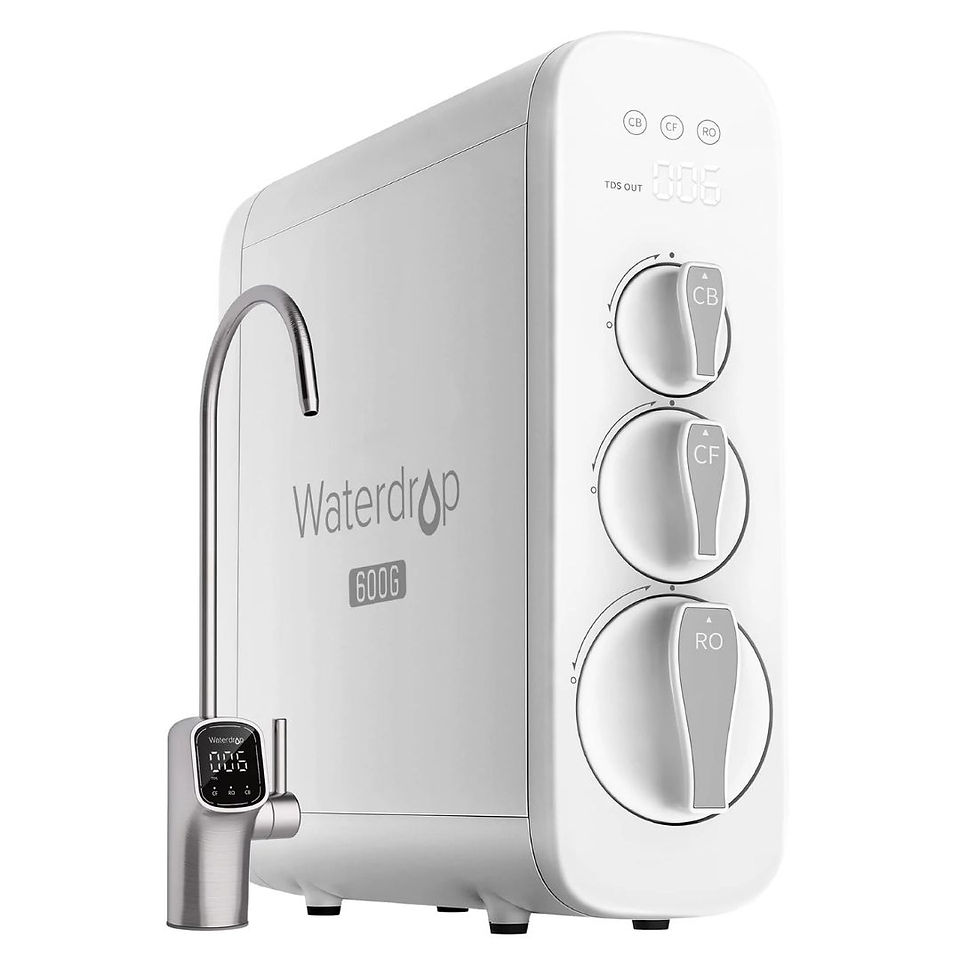

Filtering tap water at home can help reduce exposure to many of these substances, and for some people, it might offer extra peace of mind.
Filtering your water is worth considering if:
You are trying to conceive, are pregnant, breastfeeding or have young children
You, or someone in your close family, has chronic health issues
You have a compromised immune system
You have skin problems or a sensitive digestive system
You want to reduce your overall chemical exposure
That said, there are many ways to filter your tap water, and household water filters come in all shapes and sizes, varying widely in what they remove. So, should you filter your water? There’s no one-size-fits-all answer, but understanding what’s in your tap water, and how your personal circumstances might influence your needs, can help you decide.
Which water filter should you choose?
In our upcoming blog post, we will take a closer look at different types of water filters, how they work, what they remove, and which one’s might suit your budget and living situations.
If you cannot wait until next month, click on the button below to visit THP Recommends our product, service and practitioner directory. Here you will find our favourite water filters available in the UK.


Comments